

If you are someone is having pain with sex, the first thing your provider should help you to figure out is where the pain is coming from!
Continue Reading
Tag: painful sex
If you are someone is having pain with sex, the first thing your provider should help you to figure out is where the pain is coming from!
Continue Reading
Intercourse should not hurt. I am surprised at how many patients I see who have been suffering for years with painful intercourse of some kind. There are many reasons why someone might be suffering from painful intercourse. For example, lack of lubrication, vaginal muscle tension, endometriosis, vaginal infections, and structural abnormalities are all possible reasons …
Continue Reading
Imagine a friend who starts flaking on your plans with no real explanation. After a continued pattern, you get fed up and decide that you are no longer going to make any plans with her and set yourself up for disappointment. There may have been positive memories of the past, times where you really enjoyed …
Continue Reading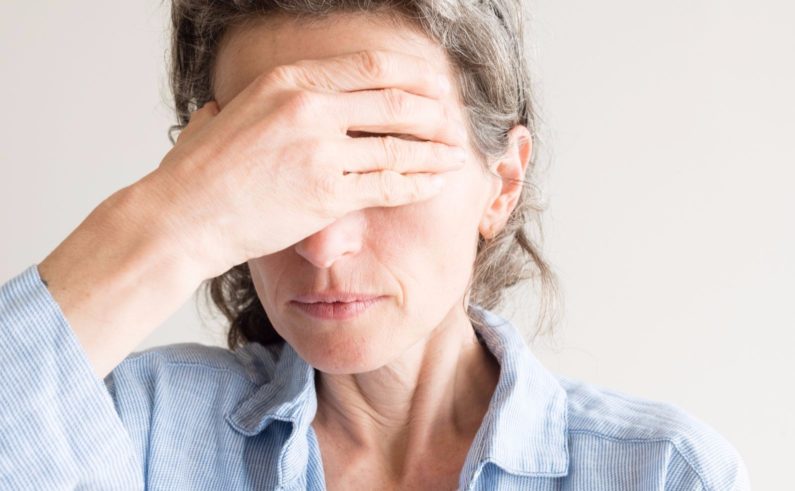
It may be due to Vulvar and Vaginal Atrophy (VVA), a chronic and progressive medical condition that affects many menopausal women. Approximately 1 in 2 menopausal women in the United States experience VVA. VVA is caused by decreased estrogen production. Women may spend an average of one-third of their lives in this hypoestrogenic state. The …
Continue Reading
Sigmund Freud was an Austrian neurologist and one of the most influential thinkers in the field of psychology today. Among his contributions to the field is the formulation of what are called ‘defense mechanisms’. In lay terms, defense mechanisms are internal “security guards” inside of us whose goal is to protect us from experiencing pain and …
Continue Reading
This is something many women have experienced. Sometimes it is a response to something that happened in the past where you experienced pain. (It could be something you don’t even remember.) On some level, it caused you a bit of anxiety because you were fearful it would happen again or that it would hurt even …
Continue Reading
Millions of women experience changes in their vaginal health that interfere with their personal lives during the post-menopause years. These changes are the result of decreased estrogen. Problems include vaginal laxity, decreased lubrication, painful intercourse, urinary incontinence, pouty labia and fissures at the opening of the vagina. Many women suffer in silence. Those who seek …
Continue Reading
Looking around at messages in the media, it appears that we live in an anti-aging society. The desire to look and feel young has translated into a billion dollar industry in numerous fields, with people vying to find the fountain of youth on the presumption that life is inherently more fun when you’re young. Among …
Continue Reading
Sometimes unpredictability makes life more fun, adventurous, and interesting. But when it comes to sexual dysfunction, unpredictability can intensify the emotional pain and lead to continued avoidance and distance. When you can’t trust that your body and mind will show up for sex the way you hope, it may make you want to say, why …
Continue Reading
There is a new drug out there for the treatment of post-menopausal pain with intercourse called Intrarosa. It was recently approved by the FDA and adds yet another treatment option for women that are experiencing the painful effects of postmenopausal vaginal atrophy. It is a daily use vaginal insert. This new treatment would be for …
Continue ReadingFree 10 Minute Phone Consultation or For More Information
Call 914-328-3700 or complete the form below.