Posts Tagged ‘flibanserin’

Our sexual culture and The New York Times

Friday, July 9th, 2010 by Stephen Snyder, MD

The latest public figure to make journalistic hay from the flibanserin controversy is Camille Paglia, whose editorial in The New York Times, ”No Sex Please, We’re Middle Class, “ seems to be getting some play on my twitter feed.   It’s a fun read, but she throws a lot of things together that I’m not sure really stick.

According to Paglia,  over-education is an important source of diminished sexual desire among the ” anxious, overachieving, white upper middle class, ”  as she calls it.  This is an old myth about sex, going back as far as D. H. Lawrence and probably farther — that too much education separates a person from the raw physical sources of his or her sexuality.

There’s not much to support this myth about sexuality and education, and every reason to be suspicious of it.   We don’t really know what goes on in most people’s bedrooms.  A quality US study on sexuality that asked, the National Health and Social Life Survey,  found that frequency of sex didn’t change much with  educational level.  The study did find that highly educated people were having more oral sex, though.    Seems like higher education might give one a taste for more sexual variety — hardly a bad thing.

Paglia also contends that if you were unlucky enough to be born after the industrial revolution, then you’ve really missed the boat on  great sex.   As she writes, “The real culprit, originating in the 19th century, is bourgeois propriety. As respectability became the central middle-class value, censorship and repression became the norm. Victorian prudery ended the humorous sexual candor of both men and women during the agrarian era, a ribaldry chronicled from Shakespeare’s plays to the 18th-century novel.”

OK, I get that it would have been a blast making dirty jokes with my fellow groundlings at the Globe Theater.   But I’m not convinced that the late 16th century had much of an edge on us when it came to sexual enjoyment.    No indoor plumbing, not much bathing, no antibiotics to treat venereal disease — I’ll take the modern era, no matter how many hours I’m stuck answering email.

I agree with Paglia that a serious amount of organic sexual grit has been scrubbed off by the media and by the culture at large.    But I question whether there’s much of a connection between the kind of sex talk we hear, and the kind of actual sex we’re having.  Fact is, we don’t really know what kind of sex even our closest friends are having, much less people in other cultures and from other centuries.

I’m not convinced that we’re having worse sex, or less of it, than people in other times and cultures.    It may just be that our sexual problems  get more attention.   I suspect previous generations would envy us our greater sexual freedoms.  Our freedom to educate ourselves about sex if we choose to.  Greater freedom from sexual ignorance and shame.  And that most precious freedom of all — the freedom to kvetch about sex in print.

© Stephen Snyder, MD 2010    

Twitter.com/SexualityToday

PsychologyToday.com/blog/SexualityToday/

www.SexualityResource.com

Dr. Bat Sheva Marcus interviewed by CBS News on female sexual desire

Wednesday, May 26th, 2010 by Ilene Rosenthal, Marketing

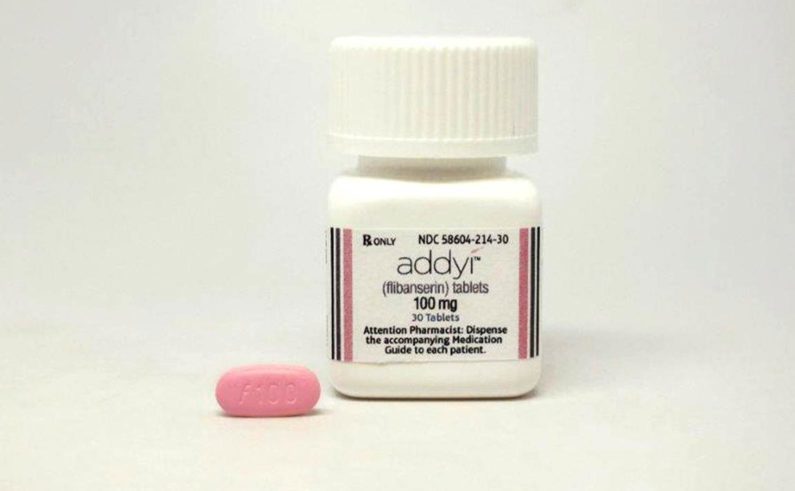
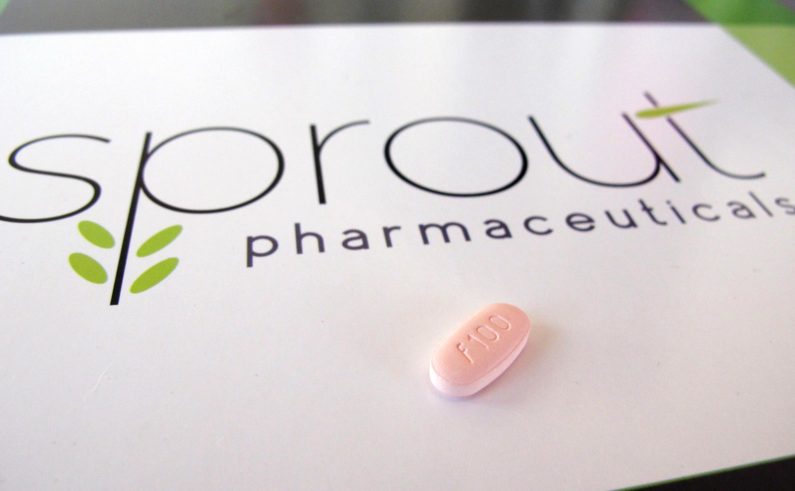
Last week, Dr. Bat Sheva Marcus, who has been the clinical director of the Medical Center for Female Sexuality for 10 years, was interviewed by CBS Channel 2 News in New York regarding the expected upcoming approval of a treatment for low sexual desire in women.  Flibanserin, manufactured by the pharmaceutical company Boehringer Ingelheim, is expected to gain FDA approval in the coming weeks for the treatment of hyposexual sexual desire disorder, or HSDD.

The treatment works by increasing the production of dopamine, a chemical in the brain that contributes to sexual desire.

Experts acknowledge that female sexual desire stems from a combination of hormone levels, chemicals in the brain, blood flow and, of course, the quality of the intimate relationship between two people.

Dr. Marcus applauded the addition of Flibanserin in her “toolbox” of possible treatments for her patients, but cautioned that female sexuality is complex and no one treatment is a panacea for all women with low desire.

MCFS patient Gail Marien was also interviewed on CBS and spoke honestly about her journey from the virtual desmise of her libido following a hysterectomy to her satisfying sex life with her husband today.

View the video here